In a world increasingly focused on sustainability, eco-conscious homeowners are seeking innovative ways to reduce water usage and improve the efficiency of their plumbing systems. Plumbing not only plays a critical role in maintaining a comfortable living environment, but it also contributes significantly to water conservation efforts. Understanding how to optimize plumbing systems can lead to substantial savings and a reduced environmental footprint.
Water-Saving Fixtures
One of the simplest ways to enhance plumbing efficiency is by installing water-saving fixtures. These innovative devices are designed to reduce water flow without sacrificing performance. For example, low-flow showerheads and faucets can significantly cut water consumption while maintaining adequate pressure. According to industry standards, a low-flow showerhead uses no more than 2.5 gallons per minute, compared to traditional models that may use up to 5 gallons per minute.
- Toilets: Modern dual-flush toilets offer the option of a full or half flush, conserving water based on the waste type.
- Aerators: Faucet aerators mix air with water, reducing flow and water usage.
Pipe Insulation and Maintenance
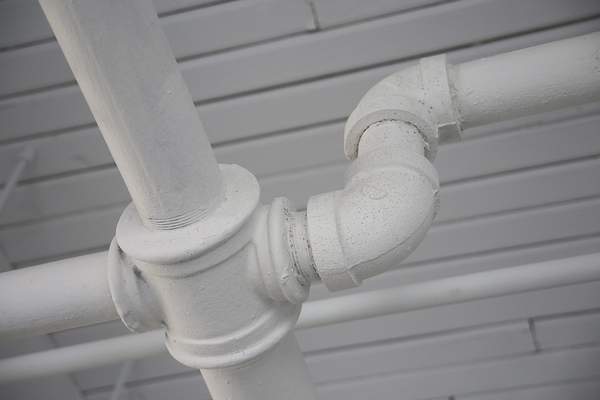
Proper insulation of pipes is not only crucial for preventing heat loss but also for minimizing water waste. Insulated pipes reduce the time it takes for hot water to reach taps, thereby conserving water that would otherwise be wasted while waiting for it to heat up. Using foam sleeves or pipe wrap is a cost-effective solution that meets industry standards for energy efficiency.
Regular maintenance is equally important. Professional inspections can identify leaks or inefficiencies before they become major issues. Common practices include:
- Checking for leaks in exposed pipes.
- Monitoring water pressure to ensure it remains within the recommended range of 40-60 psi.
Greywater Systems
Implementing a greywater system is another innovative approach to water conservation. These systems recycle water from sinks, showers, and washing machines, repurposing it for irrigation or toilet flushing. While installation may require professional expertise, the long-term benefits in water savings and environmental impact are substantial.
In conclusion, embracing eco-friendly plumbing solutions can lead to significant water and cost savings, while also benefiting the environment. Engaging professional plumbing services ensures that these solutions are implemented efficiently and in compliance with industry standards, maximizing their effectiveness and longevity.
Recent Comments