Leaks are a homeowner’s nightmare, often conjuring images of burst pipes and water damage. However, not all leaks are as catastrophic as they seem. Understanding common plumbing misconceptions can save time, stress, and money. This topic is crucial for maintaining the integrity of a property and preventing unnecessary repairs. By exploring these misconceptions, homeowners can make informed decisions about their plumbing needs.
Myth: All Leaks Are Easy to Detect
Many homeowners believe that all leaks are accompanied by visible signs like water puddles or damp walls. In reality, some leaks, especially those within walls or underground, are subtle and require professional tools to detect. Plumbers often use advanced techniques such as acoustic leak detectors and thermal imaging cameras to pinpoint hidden leaks without invasive inspection.
- Acoustic Leak Detection: Utilizes sound waves to identify leaks.
- Thermal Imaging: Detects temperature variations indicating moisture presence.
Myth: A Dripping Faucet Is Harmless
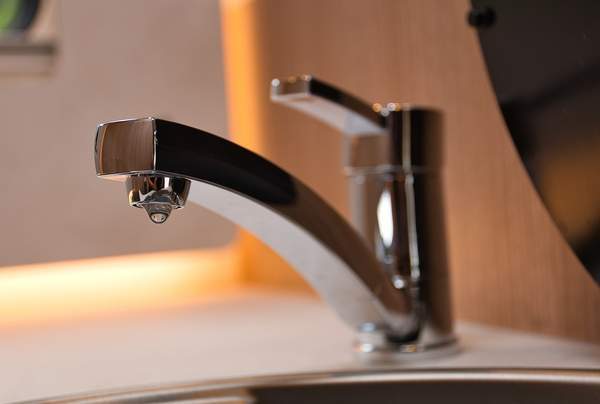
A common misconception is that a dripping faucet is merely an annoyance. However, these minor leaks can waste significant amounts of water over time, leading to increased utility bills. According to industry estimates, a single dripping faucet can waste over 3,000 gallons of water per year.
- Check washers and seals regularly for wear.
- Replace faulty components promptly to avoid escalation.
Myth: DIY Fixes Are Always Cheaper
While some minor plumbing issues may be resolved through DIY efforts, complex problems often require professional expertise. Attempting to fix significant issues without proper knowledge can lead to costly damage. Professional plumbers not only address the immediate problem but also identify potential future issues, ensuring long-term peace of mind.
Understanding these plumbing misconceptions can help homeowners make better decisions regarding their property’s maintenance. While DIY solutions may seem tempting, professional plumbing services offer expertise and peace of mind, ensuring that plumbing systems remain safe and efficient.
Recent Comments